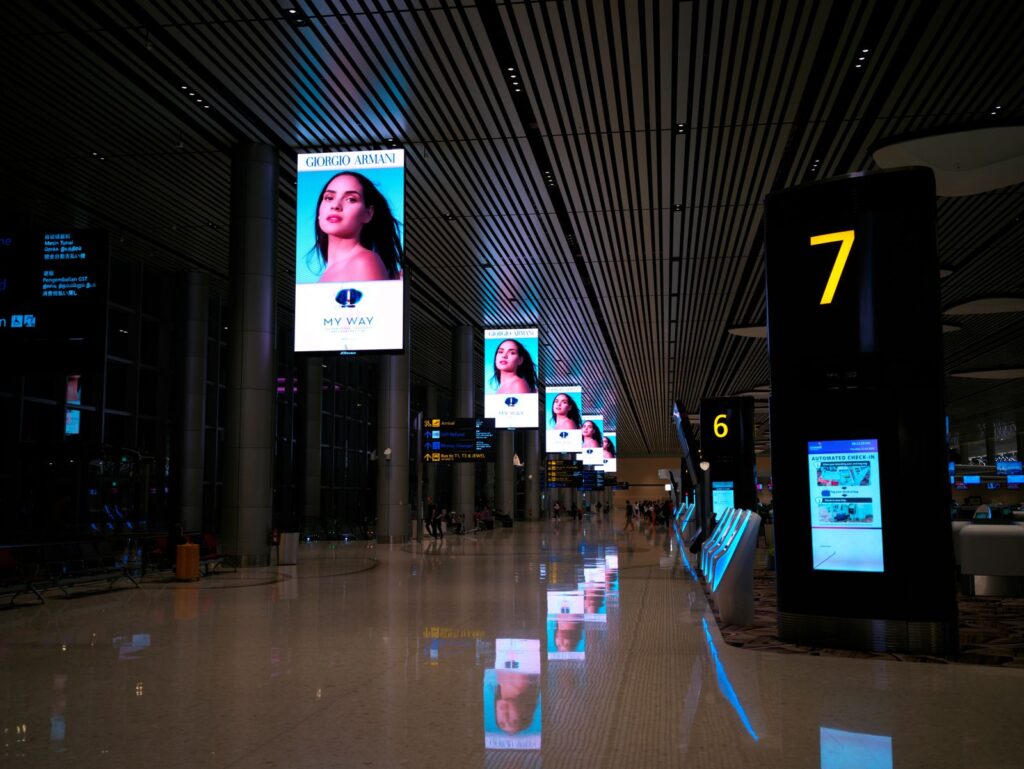
Travelers across the country spent Friday evening, Nov. 13, waiting in terminals after the FAA froze departures nationwide. The question many are asking at the gate is whether airlines owe meals hotel costs or ride vouchers when the shutdown came from federal air traffic control. In the United States, the honest answer is usually no, and the reason comes down to one distinction: who controlled the cause.
Where it stands: The ground stop was still in force as of 5 p.m. ET Friday, with the FAA advisory saying departures “should remain ground stopped until further notice.” The FAA has pointed to “communication issues impacting multiple Air Route Traffic Control Centers,” and officials have not named a deeper cause.
Why the cause decides whether airlines owe meals hotel costs
U.S. airlines are not required by federal regulation to feed or house travelers during a delay. What they do have are voluntary promises in their customer service plans, which the Department of Transportation tracks on a public dashboard. Those promises are limited. In a final rule published in September 2026, the Department wrote: “All the reporting air carriers that sell tickets currently commit to providing amenities at no cost to consumers for lengthy controllable delays and controllable cancellations in their customer service plans.”
The word that matters there is controllable. The dashboard itself exists because Congress ordered the Department to show what large airlines offer for disruptions “due to circumstances in the control of such carrier,” in the words of the 2024 FAA law as quoted in that rule.
Where an FAA outage falls
Every delay reported to the government is sorted into a cause bucket. The Department lists them: “(1) Air Carrier, (2) Extreme Weather, (3) National Aviation System, (4) Security, and (5) Late Arriving Aircraft.” Only the first is the airline’s own responsibility. The rule describes it as covering “any delay or cancellation due to circumstances within the control of the carrier such as maintenance, crew scheduling, or aircraft cleaning.”
The FAA’s own definitions put air traffic control on the other side. Its delay guide says a National Airspace System delay “may include: non-extreme weather conditions, airport operations, heavy traffic volume, air traffic control, etc.” By contrast, “Carrier delay is within the control of the air carrier.”
| Cause category | Who controls it | Airline meal/hotel promise? |
|---|---|---|
| Air Carrier (maintenance, crew, cleaning) | Airline | Yes, per its plan |
| National Aviation System (incl. air traffic control) | FAA / airspace | Generally no |
| Extreme Weather | No one | Generally no |
| Security | Security events | Generally no |
| Late Arriving Aircraft | Depends on the earlier delay | Depends |
What officials have described so far is a problem inside the FAA’s own air traffic control network. Even airlines framed it that way: American Airlines told customers the FAA was “working to resolve a technical issue affecting telecommunications at many air traffic control facilities across the country.” On that description, delays caused directly by the stop are the kind airlines do not cover.
What an airline contract says
Contracts of carriage spell out the same split. Delta’s domestic contract, as one example, lists “(4) Government regulation, demand, directive or requirement” among the events it defines as force majeure, and states that “Delta shall have no liability if the flight cancellation, diversion or delay was due to force majeure.” Its hotel and meal amenities apply when travel is disrupted “as a result of flight cancellation or delay on the date of travel other than from force majeure.” Other airlines use different wording, so read your own carrier’s contract on its website.
What Congress and the DOT decided
Lawmakers did address meals and lodging in the 2024 FAA reauthorization, but narrowly. Section 512 has the Department direct airlines to set reimbursement policies for lodging, transport to the hotel, “and meal costs incurred due to a flight cancellation or significant delay directly attributable to the air carrier.” On what officials have said so far, a fault at FAA facilities would not fit that description.
The Department then dropped its broader plan. In its November 2025 withdrawal notice it said “the statute does not authorize the Department to require reimbursements or compensations for flight disruptions.” That leaves no federal cash compensation and no federal hotel mandate.
A rule change that is not in force yet
A September 2026 rule will move 10 more delay causes out of the Air Carrier category. The Department predicted that “the total value of amenities and compensation currently provided by air carriers to consumers will be reduced under this final rule.” It does not apply to this ground stop: a later notice said “The effective date of the final rule published on September 3, 2026 (91 FR 56588) is delayed until February 1, 2027.” Some articles still give the earlier October start date; that date is out of date.
The same law also told the Department to create a reporting category for delays “that are due to instructions from the FAA Air Traffic Control System.” That category tracks delays; it does not by itself give passengers meals or rooms.
What you can still claim
- Food on the tarmac. If your plane is sitting on the ground with you aboard, Part 259 says “each covered carrier must provide adequate food and potable water no later than two hours after the start of the tarmac delay,” subject to safety exceptions.
- Your fare back. If the flight is cancelled or badly delayed and you choose not to go, the refund rule applies whatever the cause. See our guide to refund rules for flights cancelled by the FAA ground stop.
- The recorded cause. Ripple effects can shift the picture. A cancellation tomorrow that the airline records as crew scheduling falls in the Air Carrier category under today’s rules. Ask the airline in writing which cause it logged for your flight, and keep receipts for food and lodging.
- Goodwill. Nothing stops you asking an agent for a meal voucher or discounted hotel. Airlines sometimes offer them outside their written promises, but no rule requires it.
Travelers who started their trip in the European Union or the United Kingdom are in a different position, because care rules there can apply even when compensation does not. The basics of getting a fare back are in our cancelled-flight refund rights guide.
Frequently Asked Questions
Do airlines owe meals and a hotel when the FAA grounds flights?
Usually not in the United States. Airline promises of meals and hotel rooms cover delays and cancellations the airline controls, and the FAA classes air traffic control problems as National Airspace System delays, not carrier delays.
Is there any federal law requiring US airlines to pay for a hotel?
No federal rule requires U.S. airlines to pay for hotels or meals after a disruption. The 2024 FAA law had the Department direct airlines to set reimbursement policies for disruptions directly attributable to the airline, and the Department of Transportation said in 2025 that the statute does not let it require reimbursements.
What if my flight is cancelled later because the crew ran out of hours?
Under the cause categories in use today, crew scheduling falls in the Air Carrier category, which is the controllable side. Ask the airline in writing what cause it recorded for your cancellation, because that decides whether its customer service commitments apply.
Do I get food if I am stuck on the plane on the tarmac?
Yes. Federal tarmac delay rules require airlines to provide adequate food and drinking water within two hours of a tarmac delay starting, unless the captain decides safety or security prevents it.
Did the September 2026 delay rule change anything for this ground stop?
No. Its effective date was pushed back to February 1, 2027, so the existing cause categories still apply to flights disrupted on Nov. 13.
Sources
- Cause of Airline Delay and Cancellation Categories under Section 511(b) of the FAA Reauthorization Act of 2024 (final rule) — Federal Register (U.S. Department of Transportation), September 3, 2026
- Cause of Airline Delay and Cancellation Categories; Delay of Effective Date — Federal Register (U.S. Department of Transportation), October 2026 (FR doc. 2026-21058)
- Types of Delay — Federal Aviation Administration (ASPM help), current page, read November 13, 2026
- Airline Passenger Rights; Withdrawal (ANPRM) — Federal Register via govinfo.gov (U.S. Department of Transportation), November 17, 2025
- Domestic General Rules Tariff (Contract of Carriage) — Delta Air Lines, current text, read November 13, 2026
- 14 CFR Part 259: Enhanced Protections for Airline Passengers — Electronic Code of Federal Regulations (U.S. Department of Transportation rule), current text, read November 13, 2026
- FAA Nationwide Ground Stop Blamed on Air Traffic Control Comms Issue — Clash Report, November 13, 2026
This article is general travel and consumer information, not legal advice. Passenger rights depend on where your flight departs, which airline operates it and that airline’s contract of carriage; check your airline and the regulator named above. Consumer Payouts reports what the sources listed above said on the dates shown, and facts in a developing story can change.